 how-to
Dental Cleaning for Sensitive Teeth: A Comfort Guide
Table of Contents
- Sensitive Teeth During Dental Cleaning: What's Happening and Why
- How to Prepare for a Cleaning When Your Teeth Are Sensitive
- Toothpaste for Sensitive Teeth: What to Look For and What to Avoid
- Step-by-Step: What to Expect During a Gentle Dental Cleaning
- Tooth Sensitivity After Cleaning: What's Normal and How Long It Lasts
- How to Stop Sensitive Teeth Pain: At-Home Relief and Aftercare
- Routine Cleaning vs. Deep Cleaning: Why the Difference Matters for Sensitivity
- Conclusion: Comfortable Cleanings Start With a Conversation
- Frequently Asked Questions
Last Updated: October 12, 2026
Sensitive Teeth During Dental Cleaning: What's Happening and Why
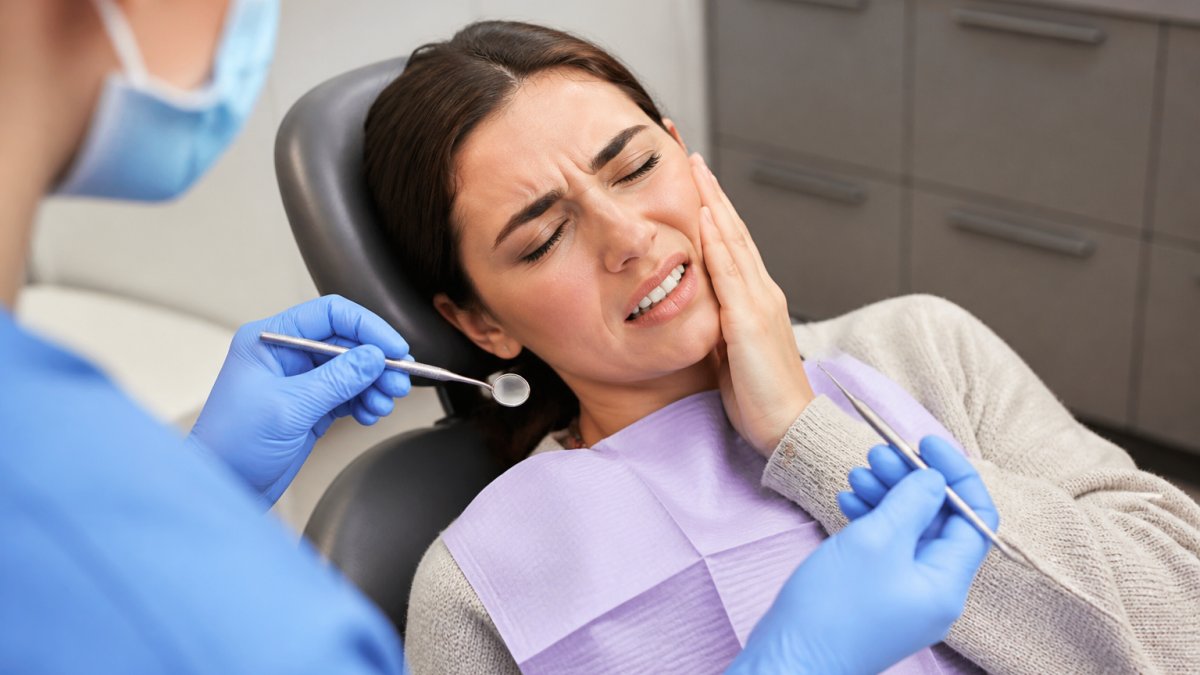
Dental cleaning for sensitive teeth comes down to one truth: the twinge you feel is a nerve responding to stimulation, not damage being done.
Exposed dentin is the soft layer beneath your enamel. When enamel wears thin or gums pull back, dentin loses its cover.
Receding gums expose the tooth root, which has no enamel and is far more sensitive to touch, cold, and pressure.
Exposed Dentin and Receding Gums: The Two Main Triggers
Enamel is your tooth's armor. When it thins, the dentin underneath carries sensation straight to the nerve.
Gums recede from aggressive brushing, gum disease, and natural aging. Once the root surface is exposed, even a gentle cleaning instrument can register as discomfort.
Other common causes of tooth sensitivity include:
- Brushing hard with a stiff brush
- Grinding or clenching your teeth
- Acidic drinks that wear down enamel
- Gum inflammation from plaque buildup
- Cracked or worn fillings
How to Tell Normal Sensitivity From Something That Needs a Dentist's Eye
Routine sensitivity is brief. It shows up during the cleaning and fades within a day or two.
Symptoms that need evaluation are different:
- Pain that lingers for more than a week
- Sharp pain when you bite down
- Swelling, bleeding, or a bad taste
- Sensitivity in just one tooth that keeps getting worse
How to Prepare for a Cleaning When Your Teeth Are Sensitive
Preparation starts about two weeks before your appointment. Small changes at home make the cleaning itself noticeably easier.
Here is our step-by-step prep plan:
- Switch to a soft-bristled toothbrush
- Brush gently in small circles, not back and forth
- Start using desensitizing toothpaste daily
- Cut back on very cold or very acidic foods
- Tell your dental hygienist about your sensitivity when you book
- Skip whitening products for a week before your visit
That last one matters: whitening agents open the pathways inside dentin, making everything feel sharper.
Desensitizing Toothpaste Before Your Appointment
Desensitizing toothpaste blocks the tiny tubes inside dentin that carry sensation to the nerve. It needs time to build up that block, so start a week or two ahead.
Look for potassium nitrate or stannous fluoride on the label. Both are well-established ingredients for calming sensitive teeth.
Toothpaste for Sensitive Teeth: What to Look For and What to Avoid
The right toothpaste for sensitive teeth calms nerve signals and protects exposed surfaces. The wrong one undoes both.
What to look for:
- Potassium nitrate to quiet nerve response
- Stannous fluoride to shield exposed dentin
- The American Dental Association (ADA) Seal of Acceptance
- A mild, non-abrasive formula
What to avoid:
- High-abrasive whitening pastes
- Baking soda formulas marketed for "deep clean"
- Charcoal toothpastes, which tend to be gritty
- Any product that makes your teeth sting more, not less
According to American Dental Association guidance on sensitive teeth, desensitizing products work best with consistent daily use rather than occasional application.
Step-by-Step: What to Expect During a Gentle Dental Cleaning
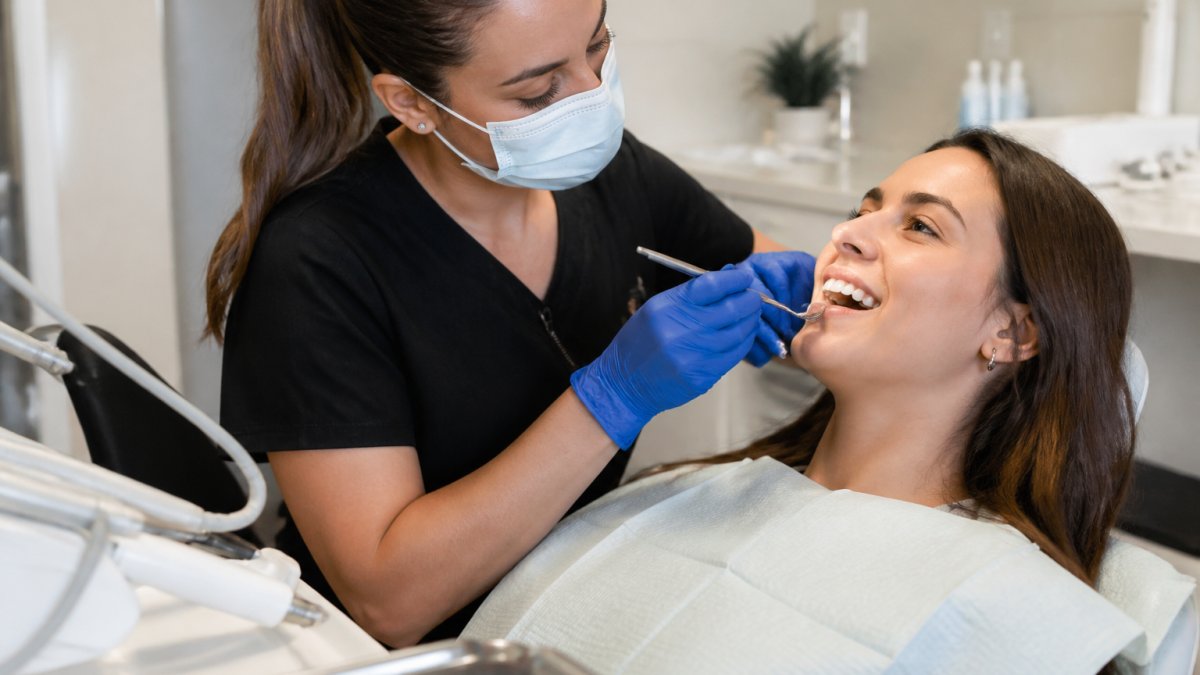
Most articles call a cleaning "gentle" and stop there, skipping the actual timeline and where you have the most control. Here is the full appointment journey with the accommodations you can request at each stage.
Before You Sit Down: The First Five Minutes
This is the highest-leverage part of the visit, and the part patients most often rush.
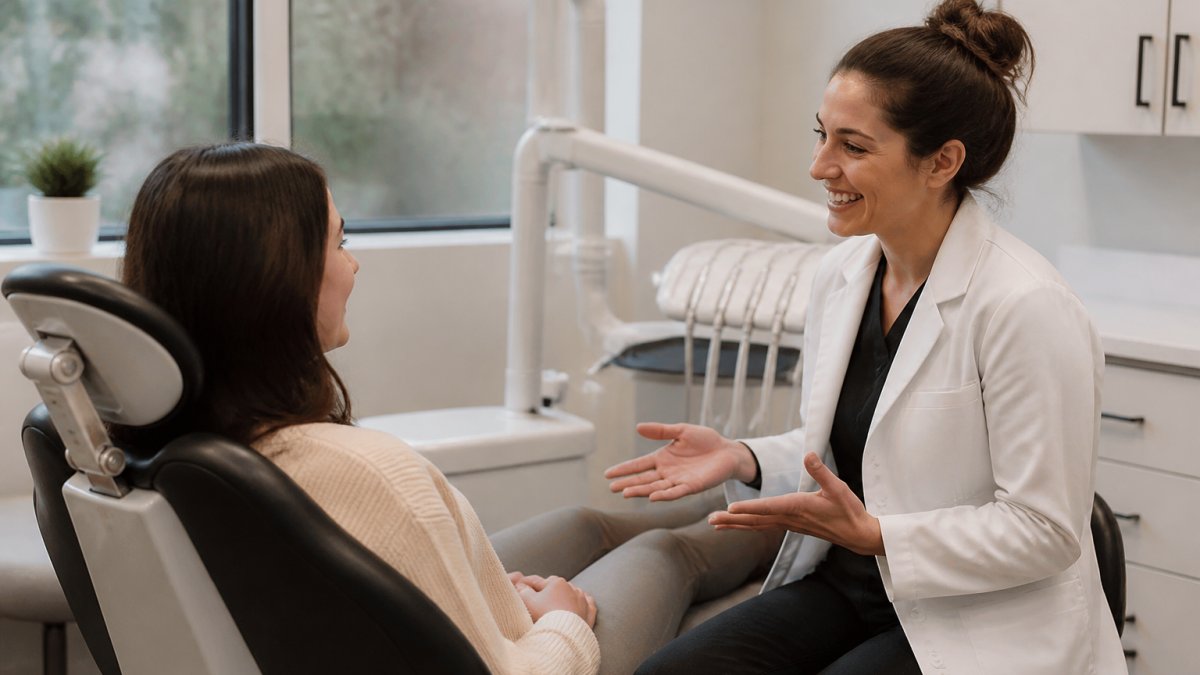
When you check in, tell the front desk you have sensitivity and would like a note added to your chart. Then, when the hygienist walks you back, say something like:
- "I have sensitivity on my lower left side. Can we start on the right?"
- "Cold water bothers me. Can we use room-temperature rinse?"
- "I'd like to raise my hand if I need a break, can we agree on that signal?"
- "Can you tell me what you're doing before each step?"
None of these are unusual; hygienists adjust for them daily. The patients who struggle most stay silent and white-knuckle the chair.
The Cleaning Itself: What Each Step Feels Like
**1.
2. Scaling (10-20 minutes). This step removes hardened tartar and is where sensitivity usually shows up. Two tool types are common:
- An ultrasonic scaler vibrates at high frequency and sprays water to flush debris. The vibration itself is usually fine; the cold water spray is what stings sensitive teeth. Ask for warmed water or a slower spray.
- Hand scalers are thin metal instruments used for finer work below the gumline. They create a scraping sensation rather than a vibration.
Either tool can be adjusted.
3. Polishing (3-5 minutes). A soft rubber cup spins a fine abrasive paste across the tooth surface, typically the mildest step.
4. Flossing and rinse (2-3 minutes). The hygienist flosses between each tooth.
5. Fluoride (1-4 minutes). A varnish, gel, or foam is applied.
6. Aftercare talk (2-5 minutes). The hygienist reviews what they found and gives home-care instructions.
Accommodations You Can Ask For
You do not need a special reason to request any of these. They are standard comfort options:
- Topical anesthetic gel applied to the gumline before scaling. It numbs the surface for 20-30 minutes.
- A shorter appointment split into two visits so your mouth is not open as long.
- Breaks on your signal. Agree on a hand raise before the cleaning starts.
- A bite block or mouth prop if holding your mouth open is fatiguing.
- Noise-canceling headphones or a podcast if the sound of the scaler bothers you.
You can pause a cleaning at any point. A good hygienist would rather stop for thirty seconds than have you dread the next visit for a year.
After the Appointment: The First 72 Hours
Expect some sensitivity for one to three days. The plaque and tartar insulating your teeth are gone, so they react more to air, cold, and touch. Use desensitizing toothpaste, avoid very cold or acidic foods, and skip whitening products until things settle. If pain worsens after a week, call your dentist.
Tooth Sensitivity After Cleaning: What's Normal and How Long It Lasts
Post-cleaning sensitivity is common and usually fades within 24 to 72 hours.
Cleaning removes the plaque and tartar that insulated your teeth, so they react more to air, cold, and touch.
What is normal:
- A dull ache or twinge for a day or two
- Sensitivity to cold drinks for up to a week
- Tender gums right at the gumline
What is not normal:
- Pain that gets worse instead of better
- Bleeding that does not stop
- A single tooth throbbing at night
If symptoms stretch past one week, call your dentist. That timeline is the line between normal healing and something worth a closer look.
How to Stop Sensitive Teeth Pain: At-Home Relief and Aftercare
Relief at home comes down to a simple routine you can start the day of your cleaning.
Try these steps:
- Use desensitizing toothpaste twice daily
- Brush with a soft-bristled toothbrush at a 45-degree angle
- Add a fluoride rinse to your nightly routine
- Avoid very hot, cold, or acidic foods for a few days
- Skip whitening strips until sensitivity settles
A common mistake is brushing harder to "get cleaner." That wears enamel and pushes gums back, worsening sensitivity over time.
For deeper guidance on daily care, the CDC oral health resources outline how routine hygiene prevents most gum and enamel problems before they start.
Routine Cleaning vs. Deep Cleaning: Why the Difference Matters for Sensitivity
A routine cleaning maintains healthy teeth; a deep cleaning treats active gum disease below the gumline to the tooth roots. That single difference, how far the instruments travel, explains why a deep cleaning feels different and why recovery is longer.
What Actually Happens Below the Gumline
In a healthy mouth, gum tissue attaches to the tooth just above the supporting bone.
With gum disease, the pocket deepens: bacteria and tartar accumulate below the gumline and the attachment between gum and tooth breaks down.
That root surface has no enamel, it is dentin and cementum, far more sensitive to touch, cold, and pressure than the crown.
Who Typically Needs a Deep Cleaning
A dentist recommends deep cleaning based on more than one measurement. Common criteria include:
- Periodontal pocket depths of 4 millimeters or more in multiple sites
- Bleeding on probing, which indicates active inflammation
- Visible tartar below the gumline on X-rays
- Bone loss around the roots
- Gum recession combined with pocketing
A single 4-millimeter pocket in an otherwise healthy mouth may only need monitoring. Widespread 5- and 6-millimeter pockets with bleeding usually need treatment.
How Comfort Planning Changes
| Feature | Routine Cleaning | Deep Cleaning |
|---|---|---|
| Purpose | Prevent gum disease | Treat existing gum disease |
| Area treated | Above and just below gumline | Below gumline, down to roots |
| Typical pocket depth | 1-3 mm | 4 mm and deeper |
| Tools used | Ultrasonic scaler, hand instruments, polisher | Scaling and root planing instruments, often ultrasonic and hand |
| Typical visits | One | Often two, one per side |
| Numbing | Rarely needed | Usually local anesthetic |
| Sensitivity after | 24 to 72 hours | Often one to two weeks |
Because deep cleaning reaches the roots, most offices use local anesthetic, the same numbing as a filling. The procedure itself is usually not painful, but the numbing wears off over a few hours and the root surfaces are left exposed to air, cold, and touch, which is why recovery is longer.
Questions to Ask Before You Agree to a Deep Cleaning
If your dentist recommends scaling and root planing, you are entitled to a clear explanation. Useful questions:
- Which pockets are deeper than 4 millimeters, and how many?
- Is there bone loss visible on X-rays?
- What happens if we wait six months and re-measure?
- Will you use local anesthetic, and can I have topical numbing first?
- Can we split the treatment into more, shorter visits?
Untreated gum disease leads to bone and tooth loss, so the trade-off usually favors treatment, but you deserve to understand what is happening and why before you agree.
Conclusion: Comfortable Cleanings Start With a Conversation
Sensitive teeth do not have to make you skip the dentist. The right prep, toothpaste, and a hygienist who knows your triggers turn a dreaded appointment into a routine one.
At The Tooth Club, we build cleanings around how you actually feel in the chair.
Request an appointment with The Tooth Club and find out how easy a cleaning can feel.
Frequently Asked Questions
How can I make a dental cleaning more comfortable with sensitive teeth?
Tell your hygienist about your sensitivity before the cleaning starts. They can use a desensitizing gel or topical anesthetic, adjust the ultrasonic scaler's power, and offer breaks during treatment. Using a desensitizing toothpaste for a couple of weeks before your appointment also helps. At The Tooth Club, we encourage patients to speak up so we can tailor the cleaning to your comfort level.
Why are my teeth sensitive after a cleaning?
It's common to feel tooth sensitivity after cleaning because tartar removal exposes areas of dentin or irritated gums. This usually fades within 24 to 72 hours. If sensitivity lasts beyond a week or feels severe, contact your dentist to rule out other issues. Gentle brushing with a soft-bristled toothbrush and avoiding very hot or cold foods can help in the meantime.
What should I tell my dentist before a cleaning if my teeth are sensitive?
Be specific about what triggers your sensitivity (cold, hot, pressure) and how long it lasts. Mention any toothpaste or rinses you use, and ask about comfort options like numbing gel or breaks during treatment. Your dentist can then adapt the cleaning approach. Clear communication helps ensure a more comfortable experience.
How to stop sensitive teeth pain immediately?
For quick relief, rinse with warm salt water or use a desensitizing toothpaste directly on the sensitive area. Over-the-counter pain relievers can help, but they're not a long-term fix. If pain is severe or persistent, see a dentist. They can apply a fluoride varnish or desensitizing agent for longer-lasting relief.